
Eyelid surgery rejuvenates the eyes by removing excess skin or fat. It brightens and refreshes your appearance.
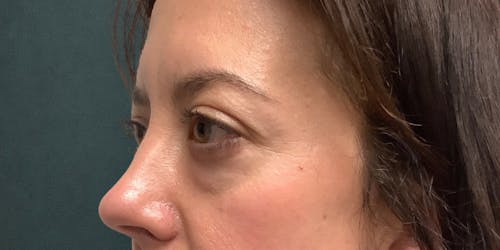
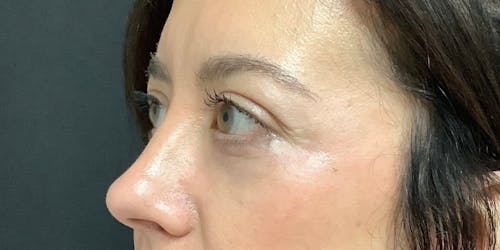
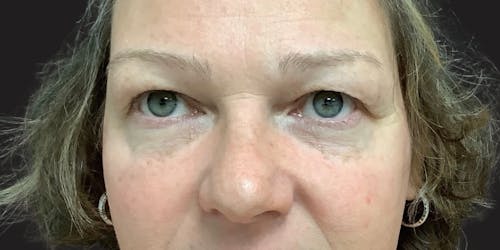
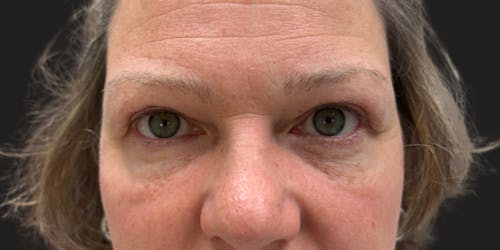
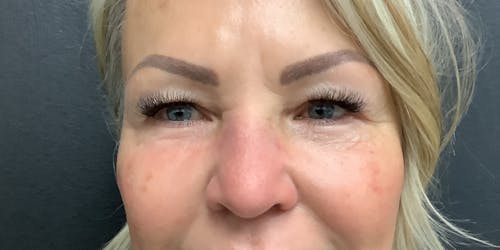
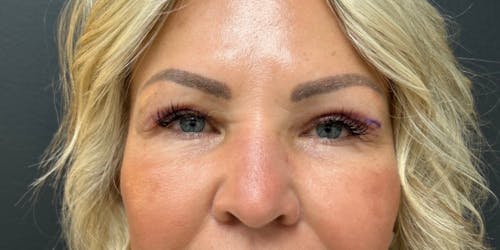
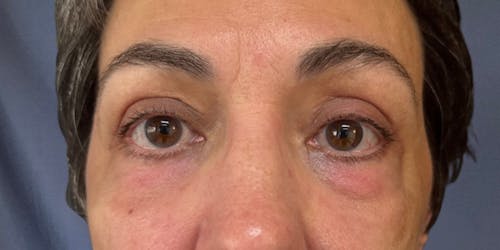
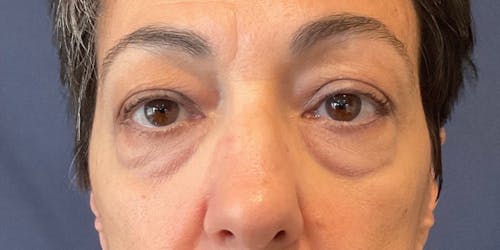
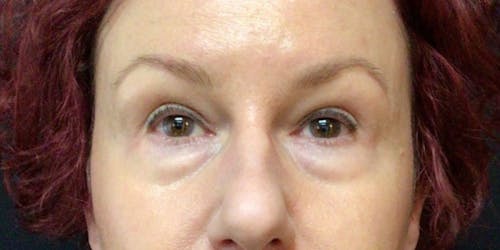
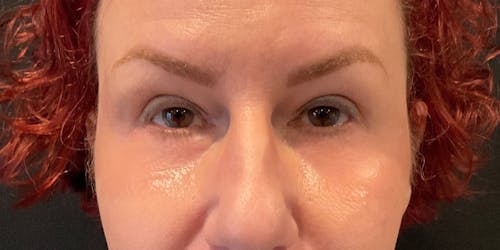
Dr. Berkowitz Live From VCS - Eyelid Surgery
Eyelid surgery rejuvenates the eyes by removing excess skin or fat. It brightens and refreshes your appearance.
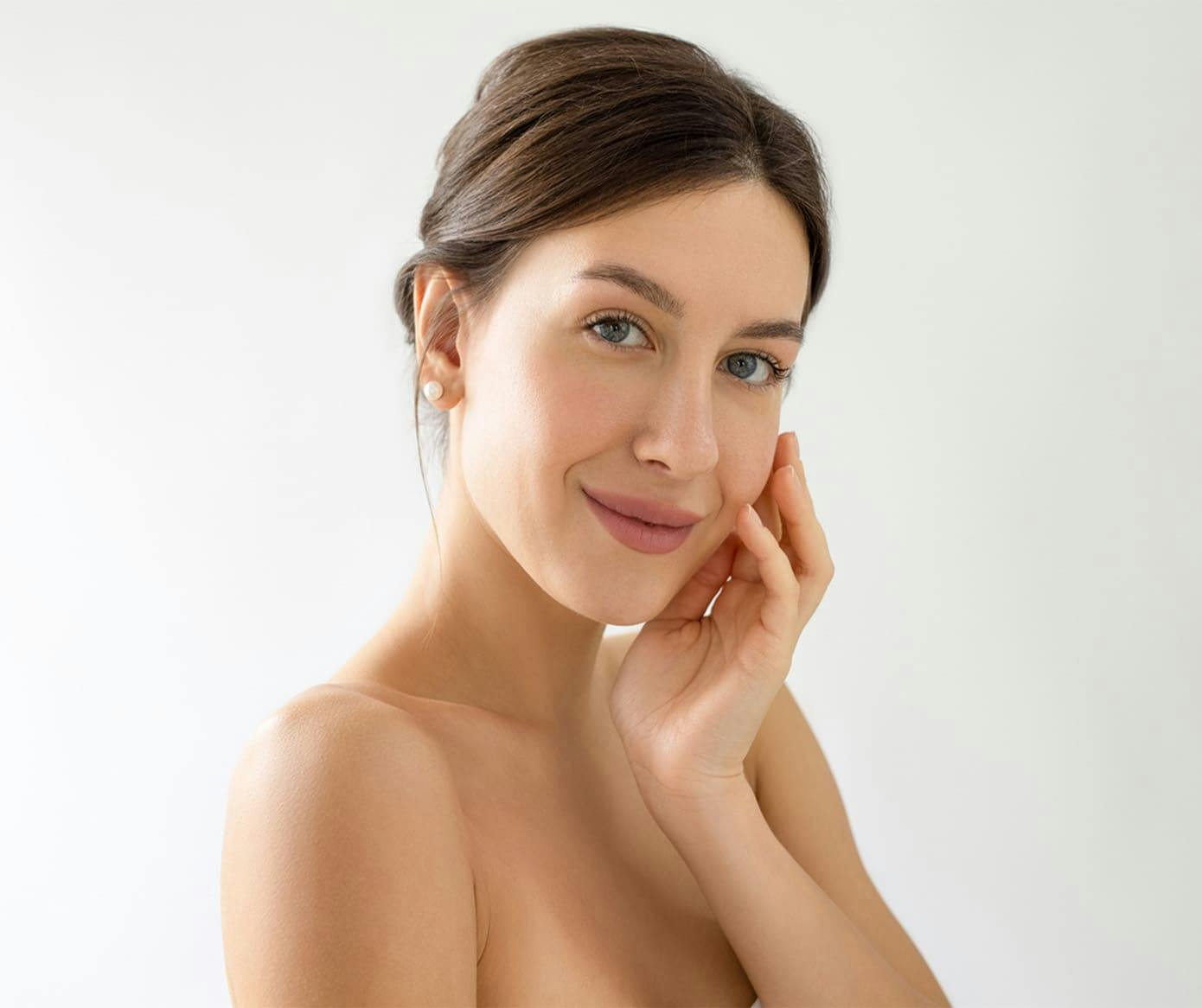


Your eyes are a central part of who you are to the world. They convey both an age and a demeanor to the world around us. Unfortunately, over time and with the natural changes brought about by aging, the message our eyes send to the world no longer matches how we feel within. We look older. We look angry, upset, or disinterested. The muscles in this delicate area relax over time, causing heavy bags and an older, worn, and weathered tired appearance. Eyelid surgery in Detroit, Michigan, with Dr. Mark Berkowitz can improve these obvious cosmetic signs of aging and restore to you a bright, inviting, and more youthful expression.



Dr. Berkowitz Live From VCS - Eyelid Surgery

Accent Your Beauty Ep. 2 - Eyelid and Eyebrow Surgery

“I was experiencing vision problems due to my droopy eyelids. My eyes were always tired from having to work the muscles to keep my eyes open. I was tired of the comments from others saying how tired I always looked.”
For many of our Detroit patients, they decide it’s time for eyelid surgery when their vision is impaired due to heavy bags. For others, it’s when the lines, wrinkles, and sagging skin make them look years older than they feel.
A majority of our clients that choose to receive blepharoplasty in Detroit tend to be 35 years or older. However, if droopiness and heavy bags run in your family, you may need the procedure earlier in life.


No. Regardless of the type of anesthesia used, you should have someone drive you home after the procedure.
When performed conservatively, eyelid surgery does not typically worsen dry eyes. Dr. Berkowitz takes careful measures to preserve tear function.
Most patients resume light activities after 3–4 days, with a return to work within 7–10 days, depending on the technique and individual healing.
Expect visible bruising and swelling to peak within the first week and subside within 1–2 weeks. Minor swelling may linger longer.
You can usually wear eye makeup again after about 2–3 weeks, once the incisions have healed sufficiently.
Scars are placed within natural creases and typically fade to become virtually unnoticeable over time.
Most patients can safely resume wearing contact lenses about 2 weeks after surgery, but it varies case by case.
You can shower the next day, but avoid getting the incision sites wet for at least 5–7 days. Use caution and gentle cleansing.
Apply cold compresses, keep your head elevated, and use prescribed or over-the-counter medication as directed by Dr. Berkowitz.
Yes, many patients choose to combine blepharoplasty with a facelift, brow lift, or laser resurfacing for more comprehensive rejuvenation.
Eyelid surgery can be performed under local anesthesia with sedation or under general anesthesia depending on the procedure and patient preference.
Upper eyelid surgery eliminates drooping skin for a smoother, more youthful look. It also improves vision in some cases.
Lower eyelid surgery reduces puffiness and under-eye bags. It creates a rested, refreshed appearance.
Laser eyelid surgery uses precision technology to tighten skin and reduce wrinkles. It delivers natural-looking results with minimal downtime.